
Your operation,
fully understood.
Most software automates tasks. Sapphire maps the intelligence behind them — connecting every asset, every person, every cost into a single continuous system that learns how your operation actually runs.
Your Organisation,
Unified Under One Roof
Command your entire enterprise from a unified organizational command center. Create, configure, and control unlimited workplace branches under your organizational flagship while maintaining centralized oversight of fiscal parameters and corporate identity.
Optimize individual workplace performance through precision branch management. Configure complex shift architectures including overlapping schedules and 24-hour operations while maintaining comprehensive branch intelligence.
Master unlimited enterprise locations with seamless workplace switching. Instantly pivot between branches — changes stay compartmentalized and localized to the selected workplace.
Centralize complete employee lifecycle management with intelligent role assignment and granular access control — from onboarding to offboarding, with a full audit trail of every action.
Streamline enterprise data entry with localized standard input libraries. Create workplace-specific dropdown menus and standardized formats that accelerate form completion while enforcing data integrity.
A regional head oversees six manufacturing plants across three states. In Sapphire, each plant is a branch under one organisation. She switches to the Nagpur branch, adjusts the night shift timing, and the change applies only to Nagpur — every other branch is unaffected. Meanwhile, her headquarters dashboard shows all six plants' live asset status simultaneously. No phone calls. No shared spreadsheets. No "can you send me the latest file."
Every Asset,
Accounted For Always
Eliminate inventory confusion with structured, pre-defined item categories — a strategic framework covering every possible asset type without the chaos of infinite custom classifications.
Transform high-volume asset onboarding from a tedious administrative burden into a streamlined, intelligent workflow. Capture common attributes once — the system cascades them across every unit.
Transition from static spreadsheets to an active, real-time inventory command center. Four inventory tiers — each serving a distinct operational purpose with live status at every moment.
Empower your workforce with My Workstation — a personalized asset command center giving every employee a clear, consolidated view of their operational environment.
A site foreman needs to know where the laser level is. In Sapphire, he opens My Workstation, sees it's currently issued to Electrician Bay 4 — assigned this morning at 08:14. He files a location-change request. The electrician gets a notification. The laser level is logged as transferred in 90 seconds. No shouting across the site. No guesswork. No missing equipment at the end of shift.
From the Day It Arrives
to the Day It Leaves
Activate asset deployment through seamless issuing requests and direct executive assignments — both executing with single-click simplicity. The system auto-generates comprehensive activity logs and chain-of-custody records.
Maintain continuous asset health visibility through automated inspection scheduling and objective reporting workflows. The system generates cycles based on defined frequencies and auto-populates field teams' pending queues.
Gain complete control with custom maintenance cycles and automated reminders for every asset. Every service event is one click away, backed by instant updates in the dedicated Maintenance Sheet.
Manage final asset disposition with clarity and control. Document asset sales with proceeds and invoices. Fully depreciated assets are flagged for smart archival — historical accountability without operational clutter.
A biomedical engineer receives an automated Sapphire alert: Ventilator V-014 is due for PPM in 3 days. She opens the asset record — last serviced 89 days ago, service provider logged, previous checklist attached. She schedules the inspection, and the field technician's queue updates immediately. A fault is flagged on the expiration valve. Sapphire auto-schedules a corrective repair, reserves the replacement part, and notifies the procurement team before the ventilator has a chance to fail during use.
The True Cost of
Every Asset You Own
Transform procurement from a transactional process into a strategic intelligence layer. Capture complete purchase context including vendor relationships, warranty terms, and multi-currency handling with real-time exchange rates.
Automate complex depreciation calculations across multiple accounting methods. Supports straight-line, written-down-value, and custom schedules with automatic fiscal year alignment under Company Act 2013 and IT Act 1961.
Achieve complete operational expense visibility by capturing every maintenance, repair, and service cost at the transaction level — linked directly to specific assets, with an unbroken financial audit trail.
Transform raw material tracking into strategic cost intelligence. Monitor batch-level consumption, track employee usage patterns, and analyze equipment-specific material requirements with complete financial integration.
Gain complete visibility into vehicle fleet operations with integrated mileage tracking, fuel consumption analytics, and comprehensive maintenance cost management. Every trip, refuel, and service event captured for total fleet intelligence.
A logistics operations head runs 34 delivery vehicles. In Sapphire's financial dashboard, she spots that Truck MH-04 AB 7711 has OPEX that's 2.3× the fleet average this quarter — ₹84,000 against a fleet mean of ₹36,500. She drills in: three tyre replacements, two brake overhauls, one engine service. Warranty claims covered ₹18,000 of that. Net cost: ₹66,000 on a vehicle that's 6 years old and fully depreciated. The decision to replace it writes itself — and Sapphire already has the replacement cycle data to tell her when to order.
Everything you'd ask
before a demo
Straight answers to the questions operations heads, IT leads, and CFOs actually ask us.
ERP (Enterprise Resource Planning) is a broad system managing financials, HR, procurement, and operations. EAM (Enterprise Asset Management) focuses specifically on the lifecycle, maintenance, and cost of physical assets. Sapphire is both — it manages the full asset lifecycle (EAM) while integrating the financial, organisational, and operational layers (ERP) into one system. You don't need to buy two platforms.
SAP and Oracle require months of implementation, dedicated consultants, and IT teams to configure and maintain. Sapphire is designed for deployment in days, not months — and for use by the operations team directly, not a specialist IT department. It's purpose-built for asset-intensive operations in India, including Indian depreciation compliance under Company Act 2013 and IT Act 1961 which larger platforms handle poorly without costly customisation.
The Sapphire mobile application supports offline operation. Inspections can be conducted, work orders can be updated, and data can be logged without an active connection. All changes sync automatically when connectivity is restored — with timestamps preserved from the time the action was taken, not the time it synced.
Sapphire's bulk entry system is specifically designed for large onboarding events. Shared attributes are captured once and cascaded across hundreds of units. For most operations, an asset inventory of 200–500 items can be onboarded within a single working day by one person. Most clients are operational within 72 hours of starting onboarding.
Yes. Sapphire calculates depreciation under both Company Act 2013 (Written Down Value method) and IT Act 1961 (block depreciation) simultaneously, with automatic fiscal year alignment. Book values are updated continuously — you don't run a year-end calculation, it's always current. Compliance-ready depreciation schedules can be exported at any time.
Yes. Sapphire is built for unlimited locations under one organisational account. Each location operates as an independent branch with its own workforce, inventory, shifts, and asset records — while the headquarter view shows aggregated real-time intelligence across all branches simultaneously. Location switching is instant, and changes made in one branch never affect another.
Sapphire is designed for any operation with physical assets that require tracking, maintenance, and financial accountability — which covers most industries. Current deployments include manufacturing plants, hospitals, construction sites, logistics fleets, corporate facilities, educational institutions, and government departments. The platform scales from a five-person MSME with 50 assets to a multi-location enterprise with thousands.
Came this far... to manage chaos?
CHAOS ENDS
CONTROL BEGINS
HERE!
Sapphire adapts to your workflows — not the other way around. Real operations. Real deadlines. Real accountability.
From the Knowledge Hub
EAM intelligence.
All of it.

42 deep-dive articles across 6 pillars — no filler, ever.
Browse the full Knowledge Hub Fundamentals
What Is Enterprise Asset Management? A Complete Guide
 Fundamentals
EAM vs ERP: The Key Difference Explained
 Fundamentals
Asset Lifecycle Management: From Acquisition to Disposal
 Fundamentals
Preventive vs Predictive Maintenance: Which Is Right?
 Fundamentals
Building a Maintenance Strategy from Zero
 Fundamentals
The True Cost of Asset Downtime
 Fundamentals
ISO 55000: The Global Standard for Asset Management
 Modules
Sapphire Work Order Management: A Complete Deep Dive
 Modules
Inventory Control in Sapphire: Zero Dead Stock
 Modules
Sapphire Purchase Module: From PO to Payment
 Modules
Asset Tracking with Sapphire: Real-Time Visibility
 Modules
Sapphire Dashboard Intelligence: Metrics That Matter
 Modules
Preventive Maintenance Scheduling in Sapphire EAM
 Modules
Document Management Inside Sapphire EAM
 Industries
EAM for Manufacturing: Keep the Line Running
 Industries
Facility Management with Sapphire
IndustriesHealthcare Asset Management: Compliance Meets Efficiency
 Industries
Power & Utilities: EAM at Enterprise Scale
 Industries
Oil & Gas Maintenance Operations and EAM
 Industries
EAM for Real Estate Portfolios
 Industries
Airport Asset Management: Zero Tolerance for Failure
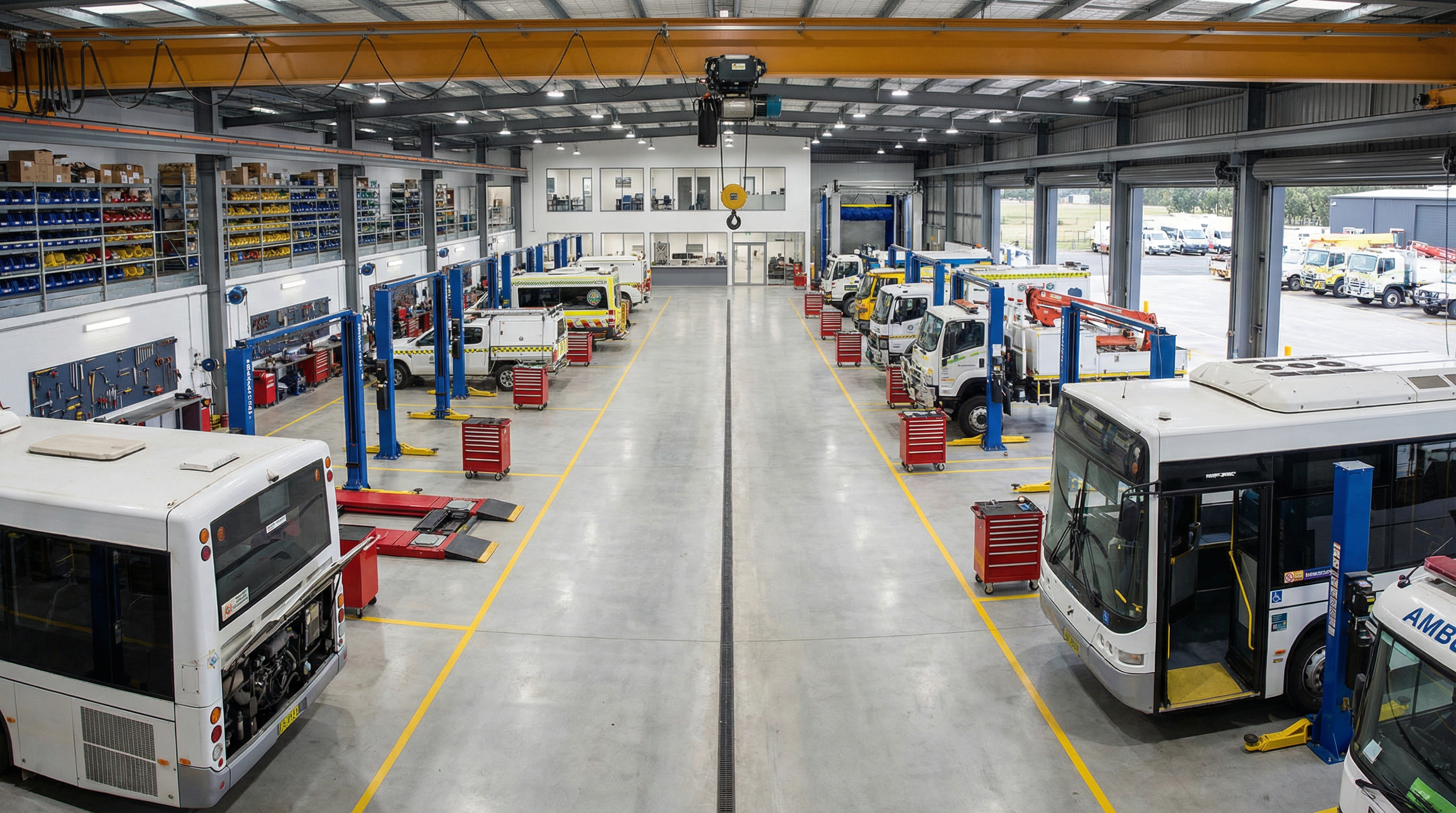 Analytics
Real-Time Asset Analytics: From Data to Decision
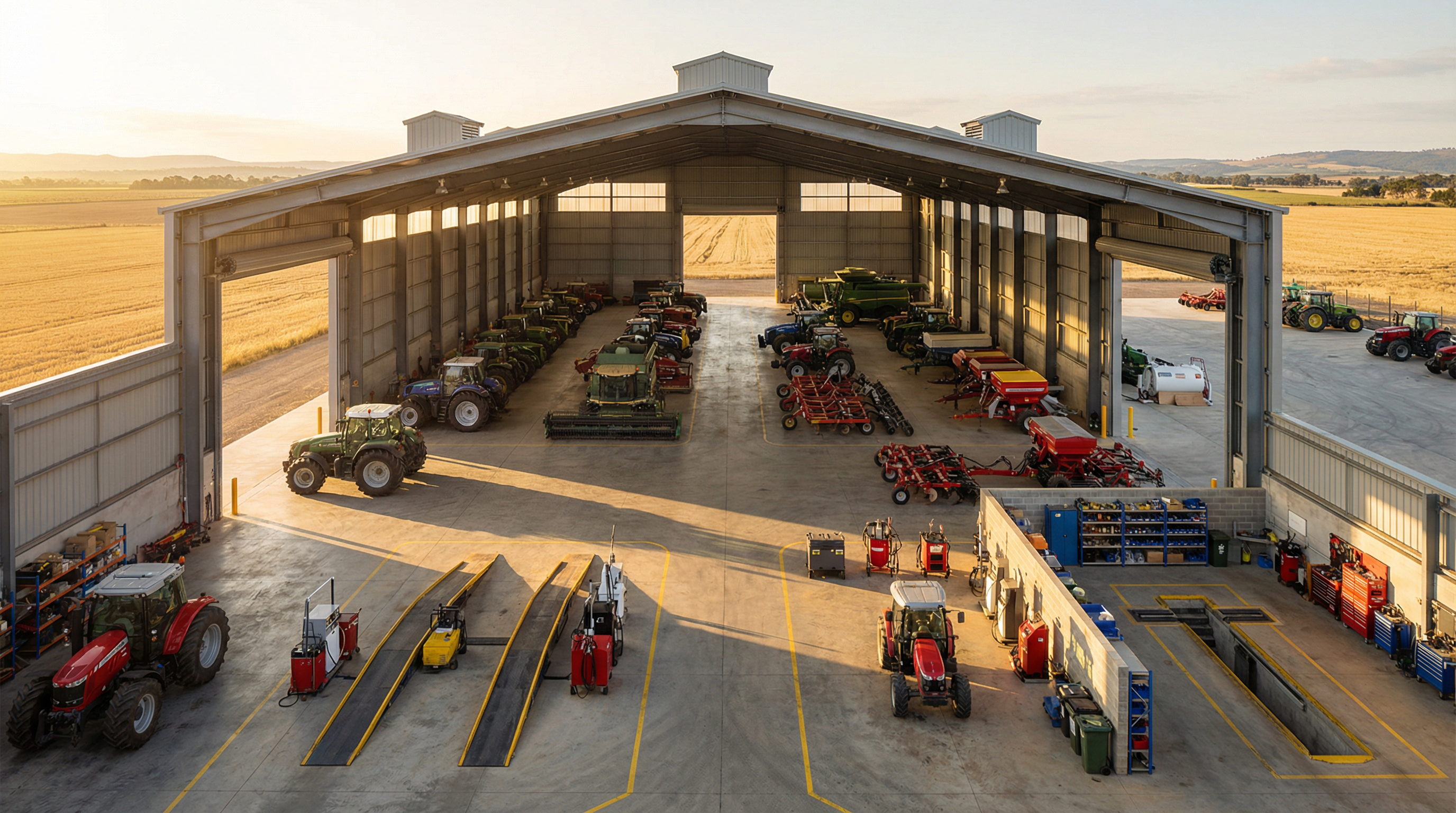 Analytics
Predictive Maintenance Analytics with Sapphire Smart
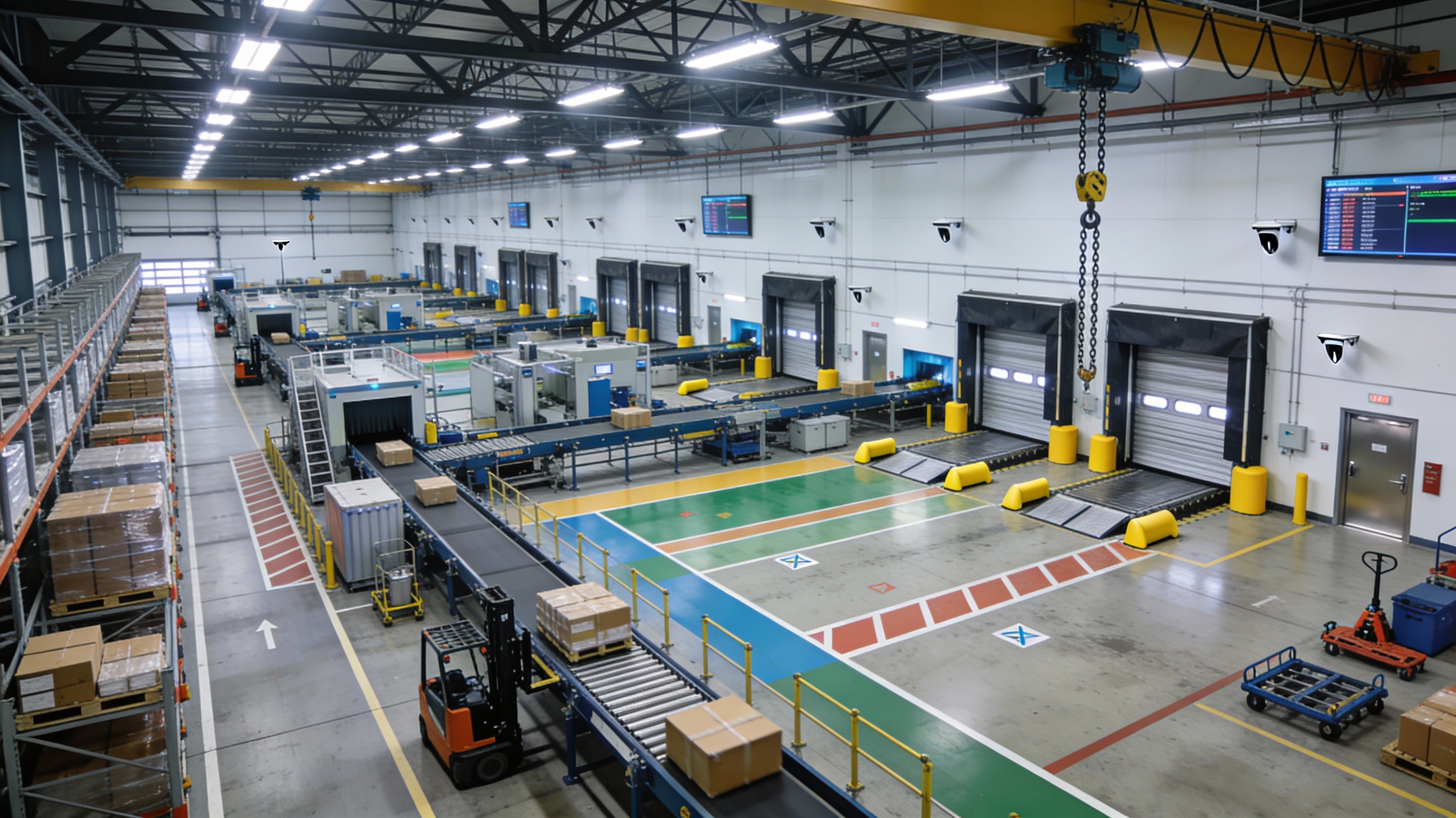 Analytics
OEE Tracking: Beyond the Dashboard Number
 Analytics
KPI Design for EAM Programs
 Analytics
MTBF: Calculating and Reducing Mean Time Between Failure
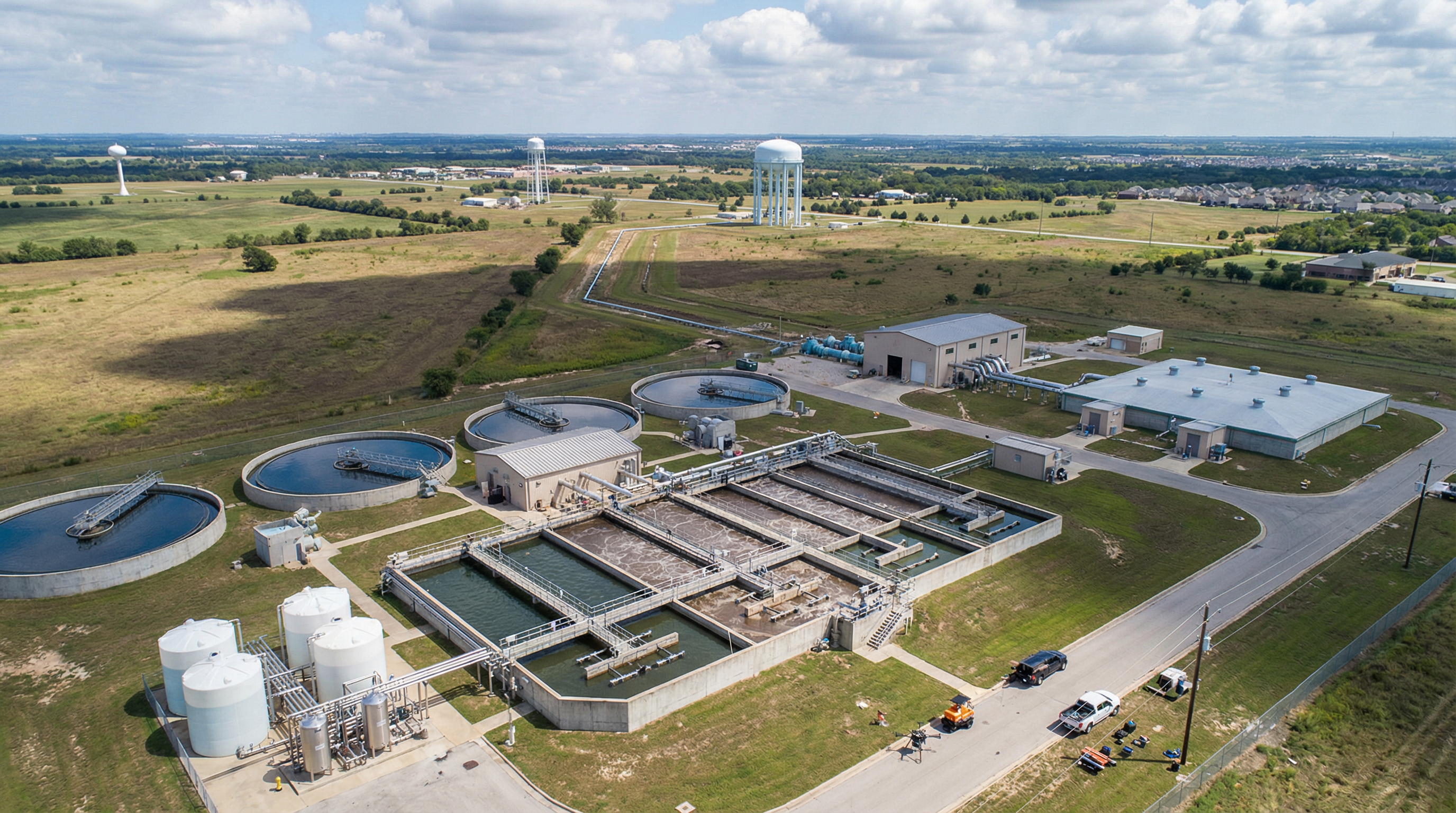 Analytics
Maintenance Cost Benchmarking: Industry Standards
 Analytics
Asset Health Scoring: A New Framework
 Business Value
ROI of EAM Software: A Practical Calculation Guide
 Business Value
The Hidden Cost of Spreadsheet-Based Maintenance
 Business Value
EAM Implementation: Why Most Fail and How Yours Won't
 Business Value
Justifying EAM Investment to the C-Suite
 Business Value
From Reactive to Proactive: The Maintenance Maturity Model
 Business Value
EAM and ESG: Sustainability Through Asset Intelligence
 Business Value
How to Choose Your EAM Vendor: A Buyer's Guide
 Special Editions
Sapphire 2025: What's New and What's Next
 Special Editions
Built in Jaipur: The Scorptech Story
 Special Editions
EAM in India: A Massive Market Coming of Age
 Special Editions
Sapphire vs SAP PM: An Honest Side-by-Side
 Special Editions
AI in Asset Management: What's Real, What's Hype
 Special Editions
Customer Spotlight: Sapphire Deployed in 90 Days
 Special Editions
EAM Glossary: 60 Terms Every Maintenance Manager Must Know