
Somewhere in India right now, a factory floor manager is sending a WhatsApp message to log a machine breakdown. A maintenance engineer is updating a spreadsheet that nobody else reads. A purchase head is approving an emergency spare part order for the third time this month because nobody tracked stock levels. This is not a failure of people. This is the absence of a system.
That system has a name — Enterprise Asset Management. This guide covers what EAM actually is, how it evolved, what it manages, and why for Indian enterprises it is not a luxury or a future consideration. It is the difference between running a business and bleeding one.
What is Enterprise Asset Management?
EAM is the combination of processes, systems, and data that allows an organisation to manage the full lifecycle of its physical assets — from the moment of procurement to the moment of disposal. EAM is not just maintenance software. It covers procurement tracking, performance monitoring, compliance, maintenance scheduling, analytics, and disposal decisions.
Assets are not just machines. They include vehicles, buildings, utility infrastructure, medical equipment, IT hardware — anything the organisation owns and depends on to function. When any of these assets fails unexpectedly, the cost is not just the repair bill. It is the lost production, the delayed delivery, the regulatory violation, and the damaged customer relationship.

How EAM Evolved — From Logbooks to Intelligence
Asset management began with paper logbooks in the 1970s — manual records of equipment purchased, maintained, and retired. The 1990s brought CMMS platforms that digitised work orders and maintenance schedules. The 2000s saw EAM emerge as a broader discipline integrating financial data, compliance tracking, and multi-site operations.
Today, modern EAM platforms like Sapphire integrate IoT sensors, predictive analytics, and mobile field operations into a unified intelligence layer. The shift is from reactive to predictive — detecting the signal of failure weeks in advance and scheduling intervention before the breakdown occurs.
Why Indian Enterprises Cannot Afford to Wait
A single CNC machine breakdown in a precision engineering MSME can halt production for 12–48 hours, cost ₹4–8 lakhs in emergency repairs, and delay customer orders that took months to win. The MSME that operates 12 machines without an asset register has no visibility into which machine is most likely to fail next, which spare parts need to be on hand, or which vendor to call.
The perception that EAM is only for large enterprises is the most expensive myth in Indian industry. Sapphire EAM is built specifically for the Indian operational context — affordable SaaS pricing, mobile-first design that works on the factory floor, and implementation support in local languages. The payback period for most Indian MSMEs is under 4 months.

What Sapphire EAM Manages for Indian Operations
Sapphire EAM covers the complete asset lifecycle across six core modules: Asset Register — the single source of truth for every asset. Work Order Management — from creation to closure, on mobile. Preventive Maintenance Scheduling — time-based and usage-based. Spare Parts Inventory — with reorder automation. Vendor and Contractor Management. And Compliance and Audit Trails.
Each module connects to the others. A PM schedule generates a work order, which triggers a parts requisition, which updates inventory, which creates an audit record — automatically, without coordination overhead. One system. Complete operational visibility.
EAM vs CMMS vs ERP — Understanding the Difference
CMMS manages work orders and maintenance schedules. ERP manages finances, procurement, and HR. EAM sits at the intersection — it tracks assets as financial entities, manages their operational maintenance, and provides the compliance and analytics layer that neither CMMS nor ERP covers alone.
For Indian enterprises choosing between these systems, Sapphire delivers the combined capability of EAM and CMMS at a price point designed for Indian operational budgets — not a Western product adapted for India, but an Indian product built for the Indian operational reality from day one.
Came this far... to manage chaos?
CHAOS ENDS
CONTROL BEGINS
HERE!
Sapphire adapts to your workflows — not the other way around. Real operations. Real deadlines. Real accountability.
From the Knowledge Hub
EAM intelligence.
All of it.
42 deep-dive articles across 6 pillars — no filler, ever.
Browse the full Knowledge Hub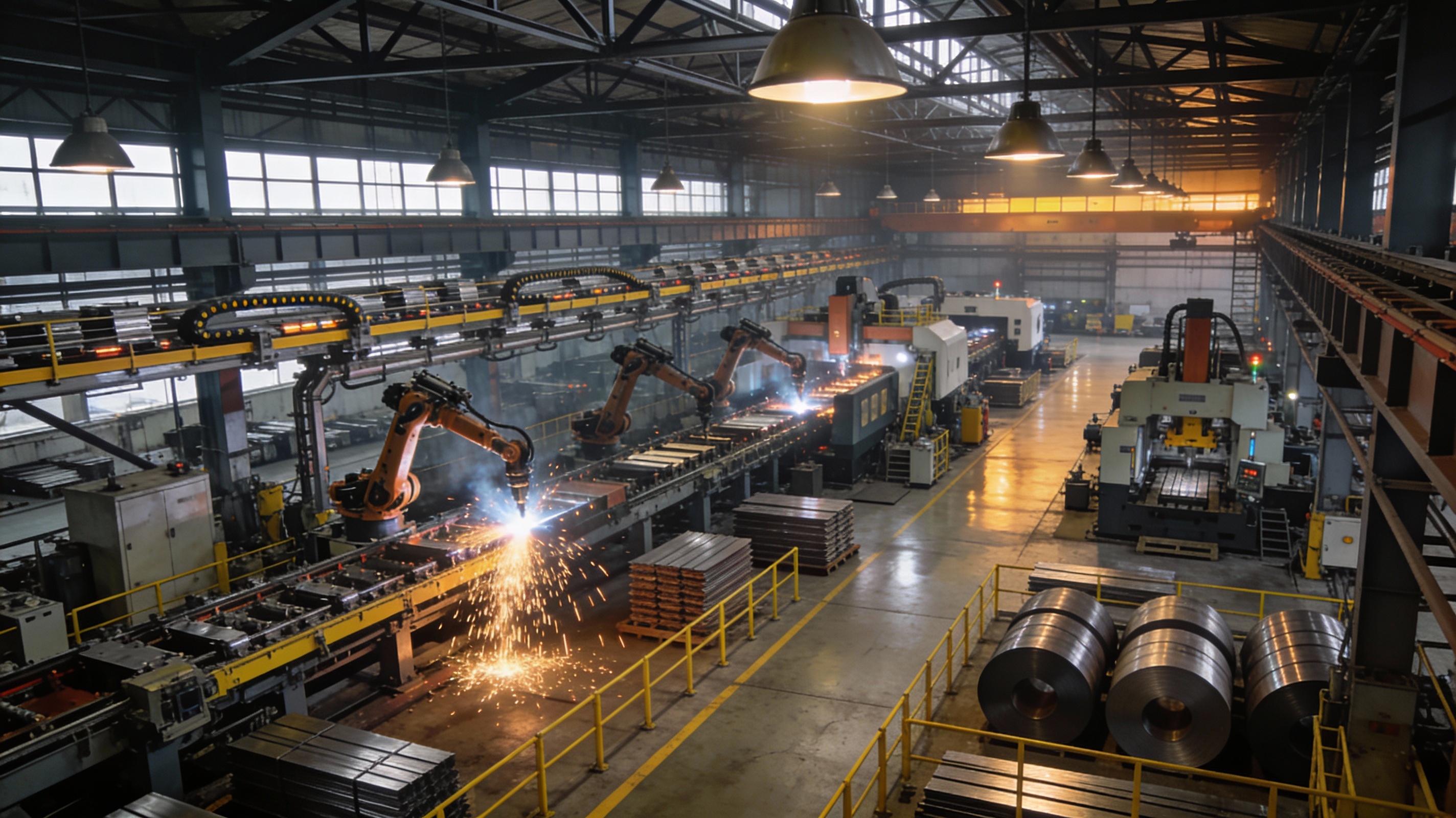 Fundamentals
What Is Enterprise Asset Management? A Complete Guide
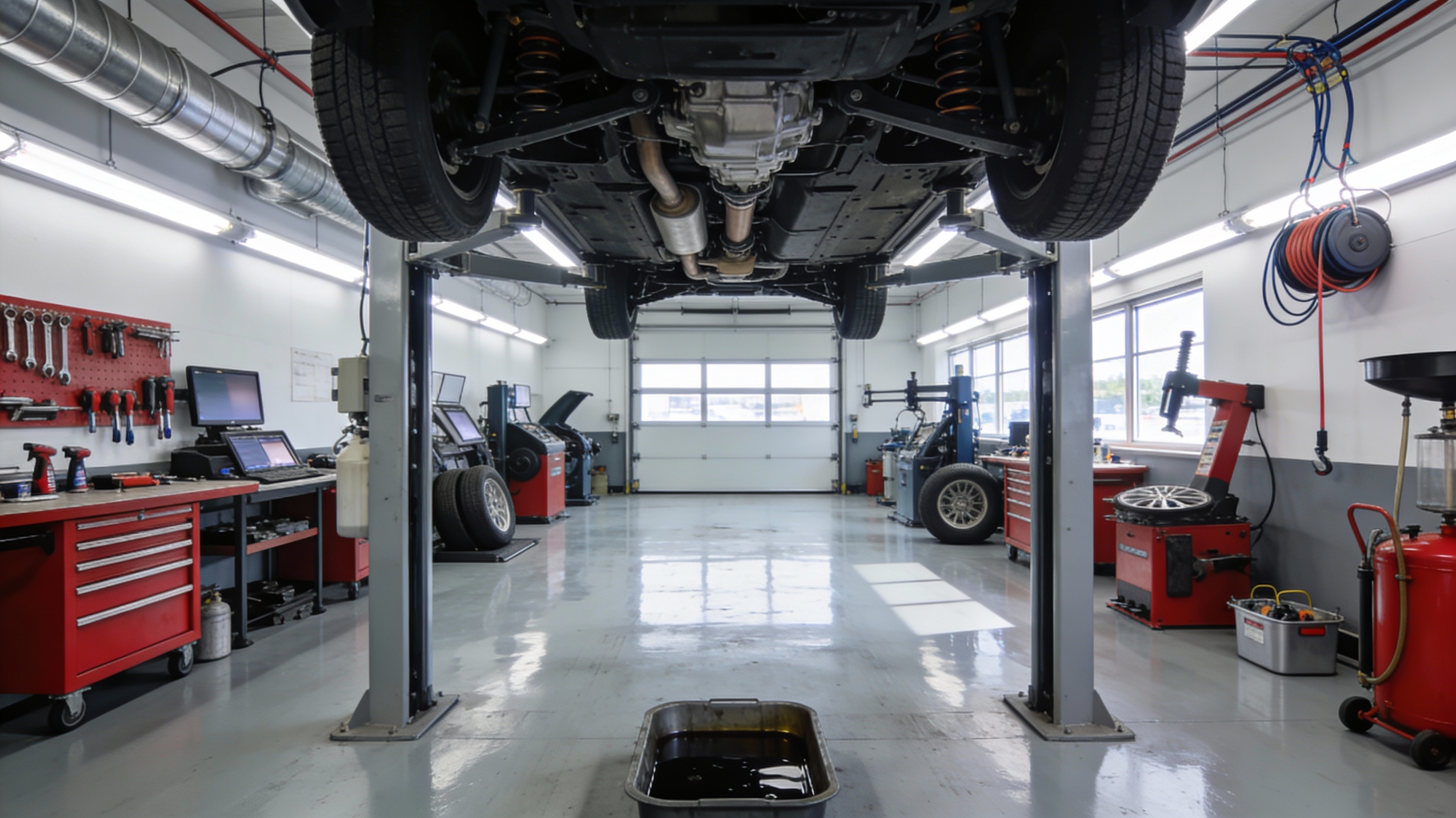 Fundamentals
EAM vs ERP: The Key Difference Explained
 Fundamentals
Asset Lifecycle Management: From Acquisition to Disposal
 Fundamentals
Preventive vs Predictive Maintenance: Which Is Right?
 Fundamentals
Building a Maintenance Strategy from Zero
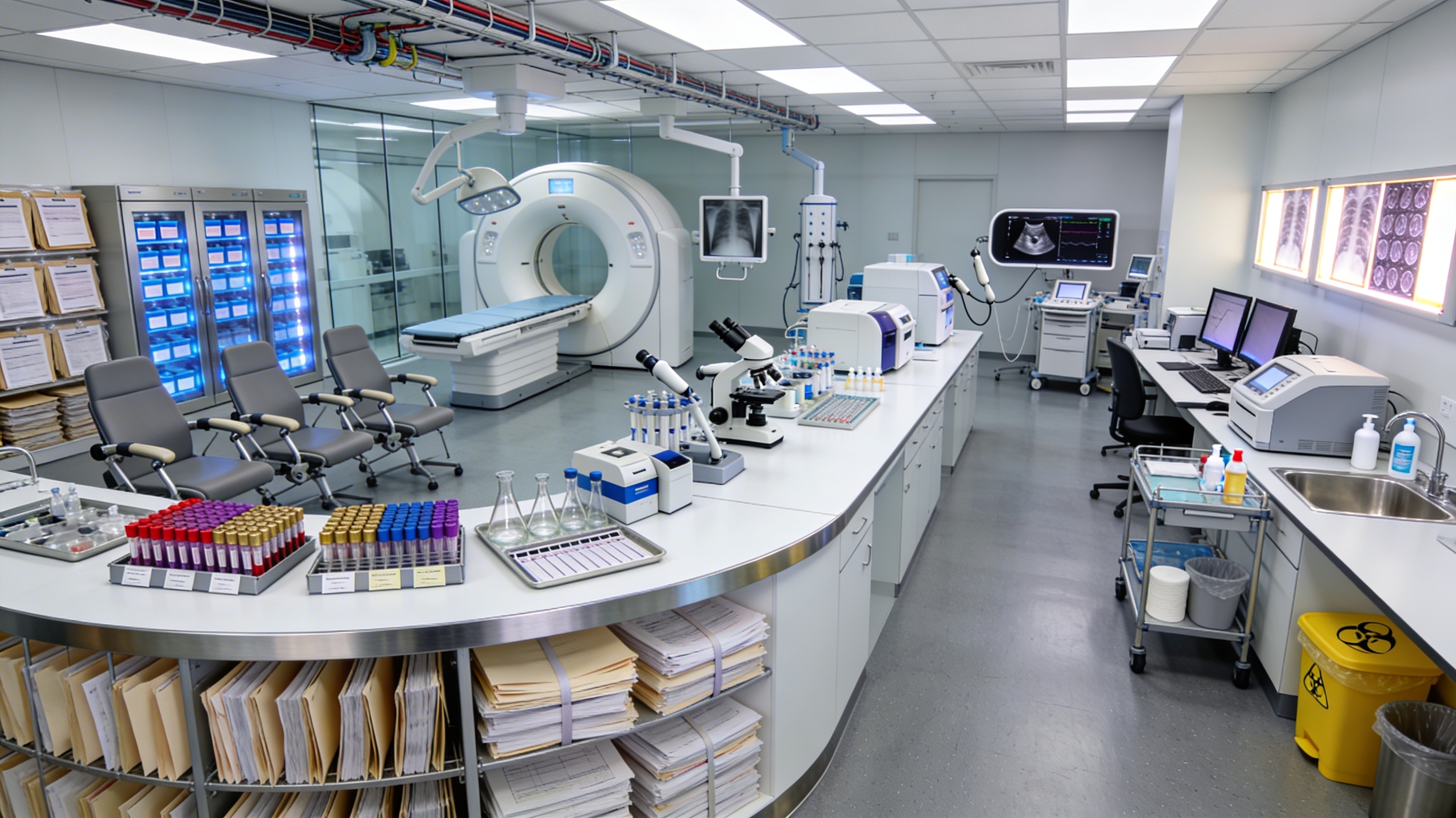 Fundamentals
The True Cost of Asset Downtime
 Fundamentals
ISO 55000: The Global Standard for Asset Management
 Modules
Sapphire Work Order Management: A Complete Deep Dive
 Modules
Inventory Control in Sapphire: Zero Dead Stock
 Modules
Sapphire Purchase Module: From PO to Payment
 Modules
Asset Tracking with Sapphire: Real-Time Visibility
 Modules
Sapphire Dashboard Intelligence: Metrics That Matter
 Modules
Preventive Maintenance Scheduling in Sapphire EAM
 Modules
Document Management Inside Sapphire EAM
 Industries
EAM for Manufacturing: Keep the Line Running
 Industries
Facility Management with Sapphire
IndustriesHealthcare Asset Management: Compliance Meets Efficiency
 Industries
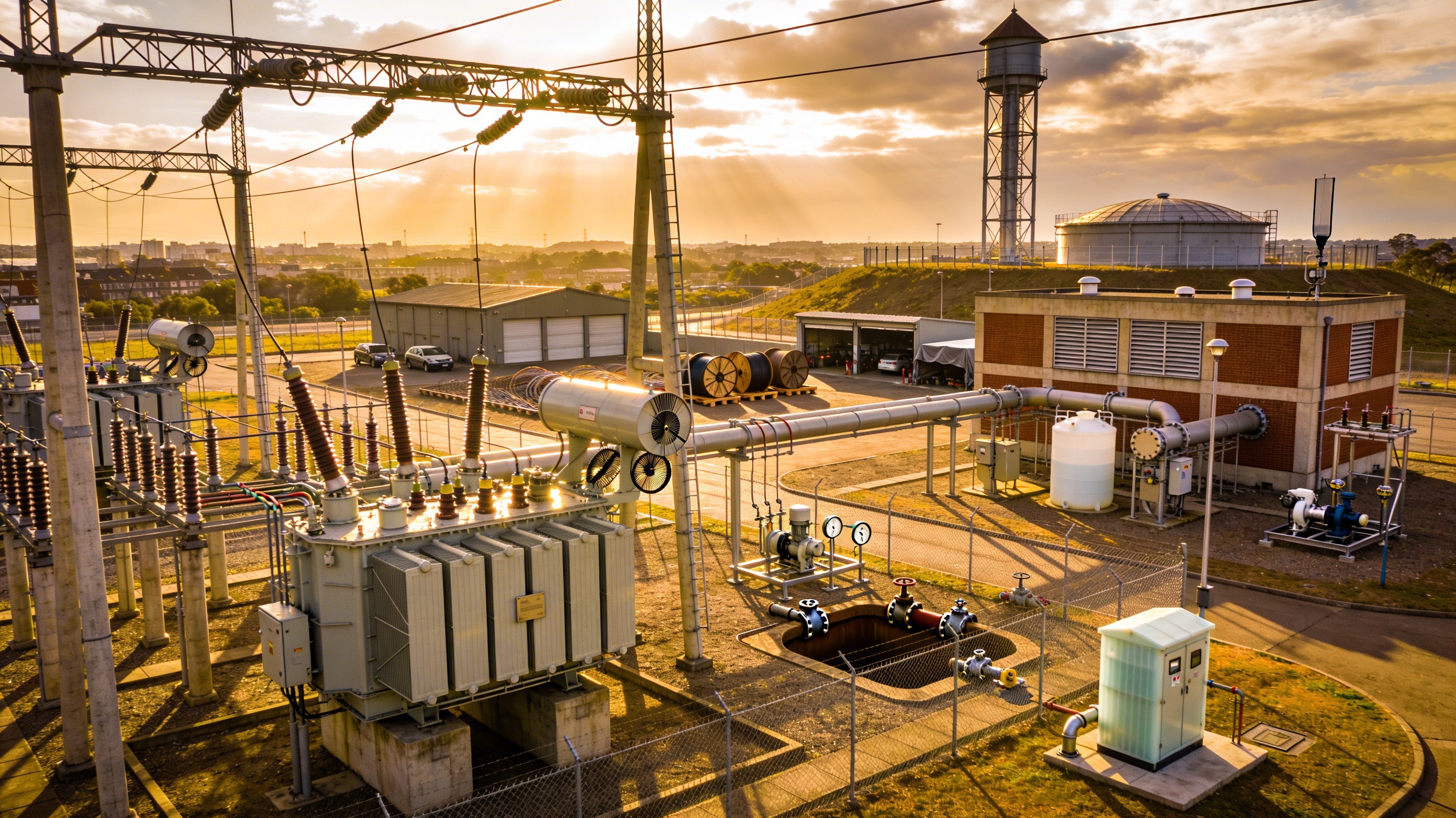
Power & Utilities: EAM at Enterprise Scale
 Industries
Oil & Gas Maintenance Operations and EAM
 Industries
EAM for Real Estate Portfolios
 Industries
Airport Asset Management: Zero Tolerance for Failure
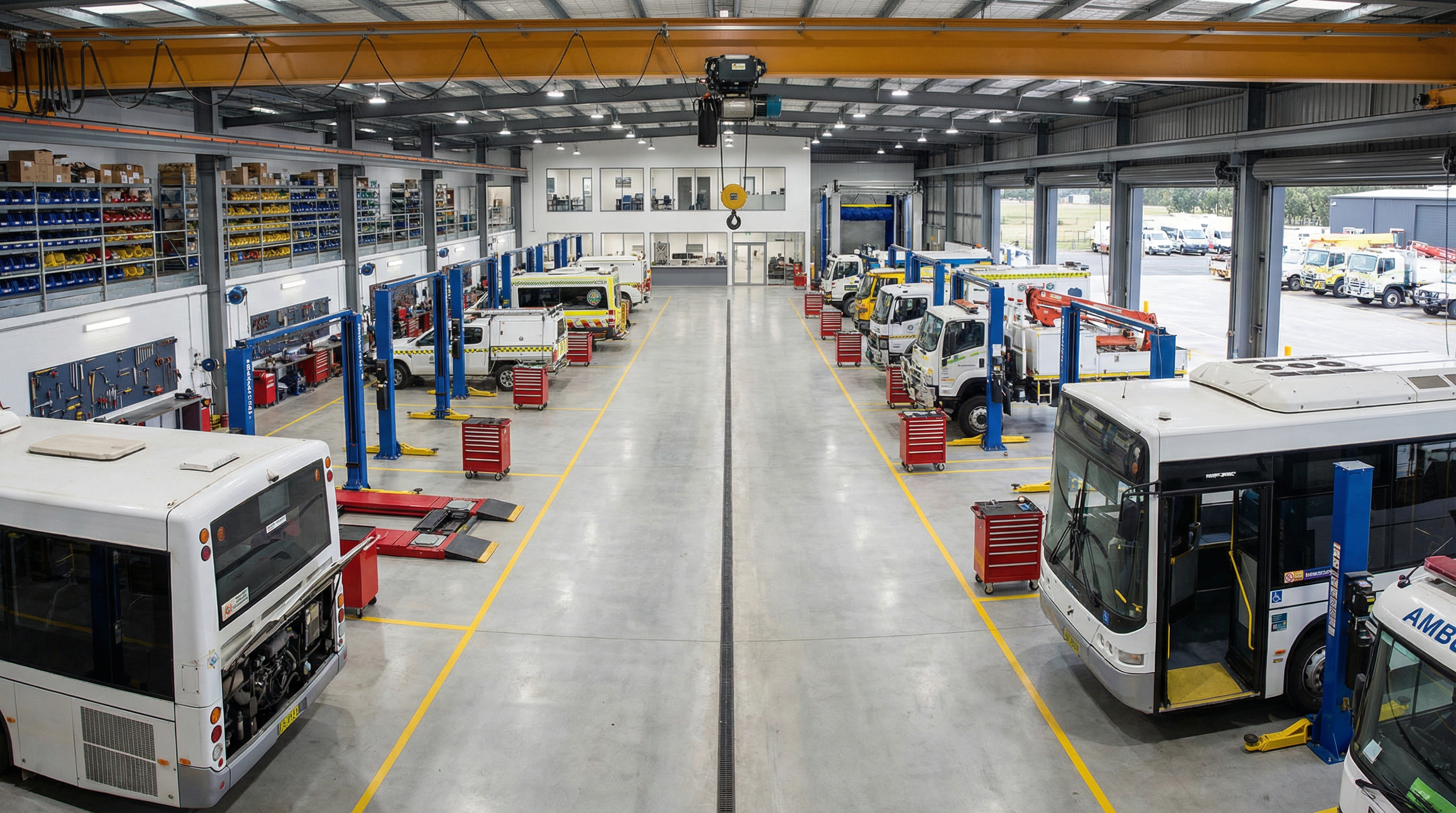 Analytics
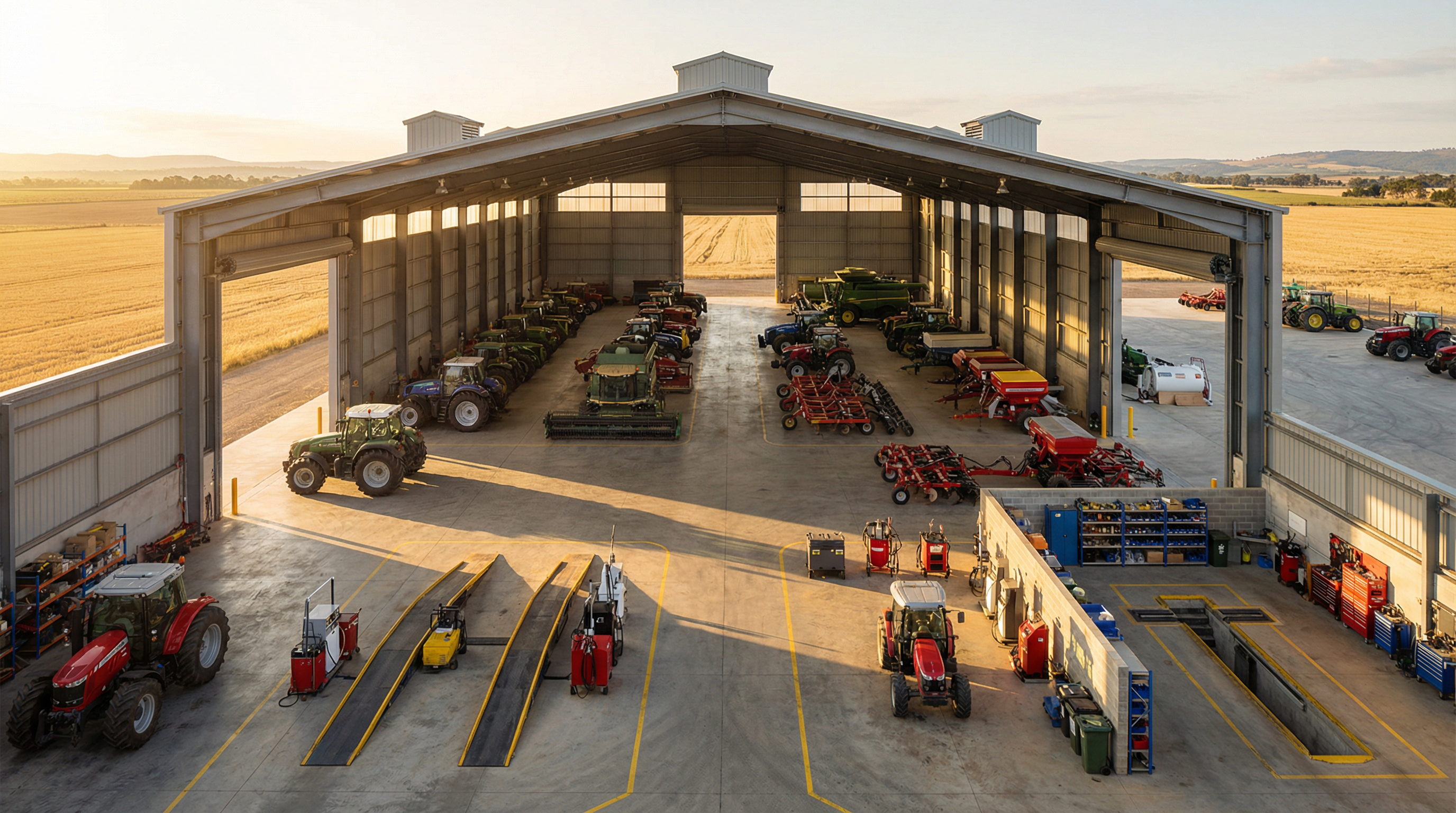
Real-Time Asset Analytics: From Data to Decision
 Analytics
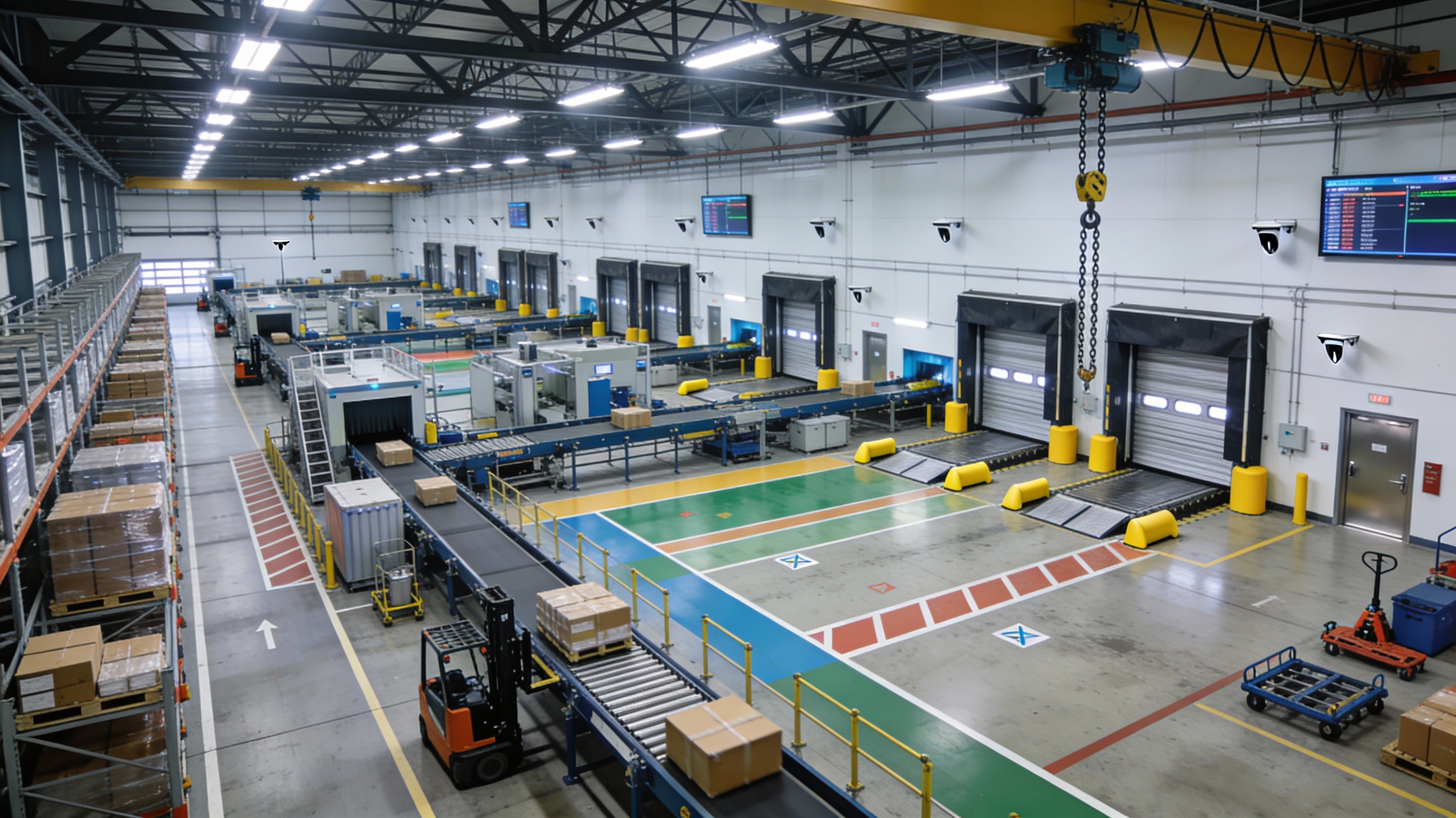
Predictive Maintenance Analytics with Sapphire Smart
 Analytics
OEE Tracking: Beyond the Dashboard Number
 Analytics
KPI Design for EAM Programs
 Analytics
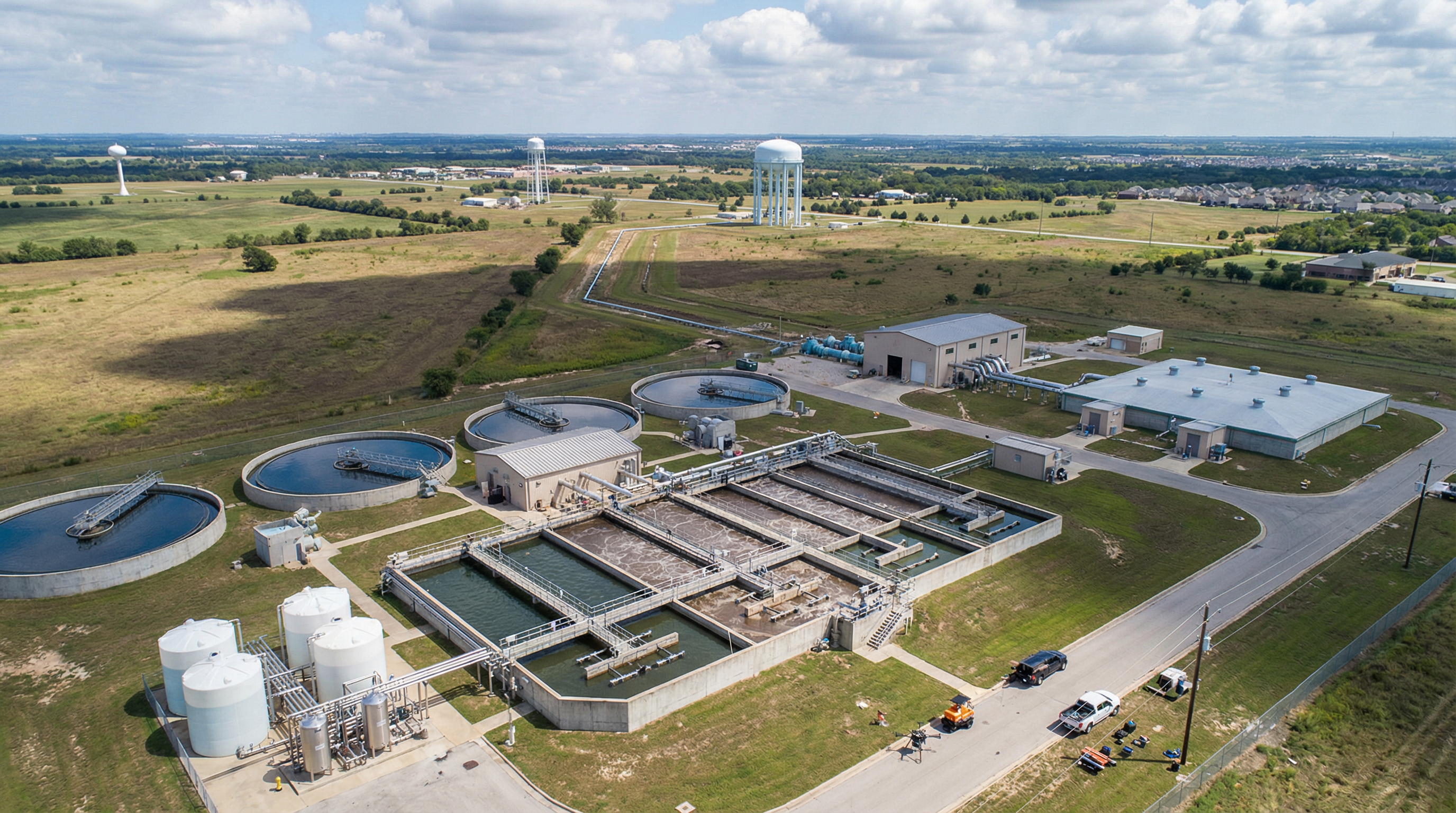
MTBF: Calculating and Reducing Mean Time Between Failure
 Analytics
Maintenance Cost Benchmarking: Industry Standards
 Analytics
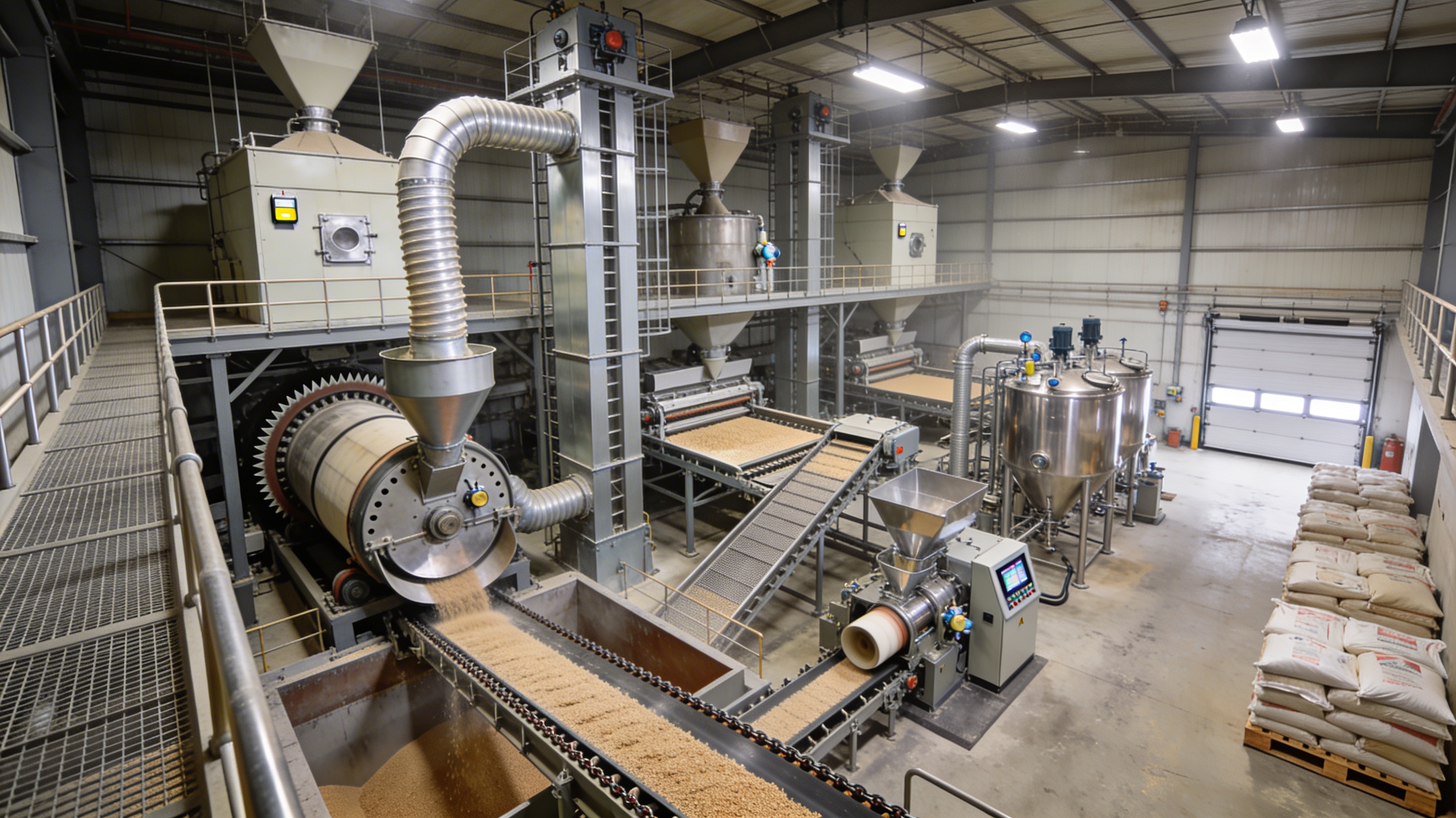
Asset Health Scoring: A New Framework
 Business Value
ROI of EAM Software: A Practical Calculation Guide
 Business Value
The Hidden Cost of Spreadsheet-Based Maintenance
 Business Value
EAM Implementation: Why Most Fail and How Yours Won't
 Business Value
Justifying EAM Investment to the C-Suite
 Business Value
From Reactive to Proactive: The Maintenance Maturity Model
 Business Value
EAM and ESG: Sustainability Through Asset Intelligence
 Business Value
How to Choose Your EAM Vendor: A Buyer's Guide
 Special Editions
Sapphire 2025: What's New and What's Next
 Special Editions
Built in Jaipur: The Scorptech Story
 Special Editions
EAM in India: A Massive Market Coming of Age
 Special Editions
Sapphire vs SAP PM: An Honest Side-by-Side
 Special Editions
AI in Asset Management: What's Real, What's Hype
 Special Editions
Customer Spotlight: Sapphire Deployed in 90 Days
 Special Editions
EAM Glossary: 60 Terms Every Maintenance Manager Must Know